Place
Night City
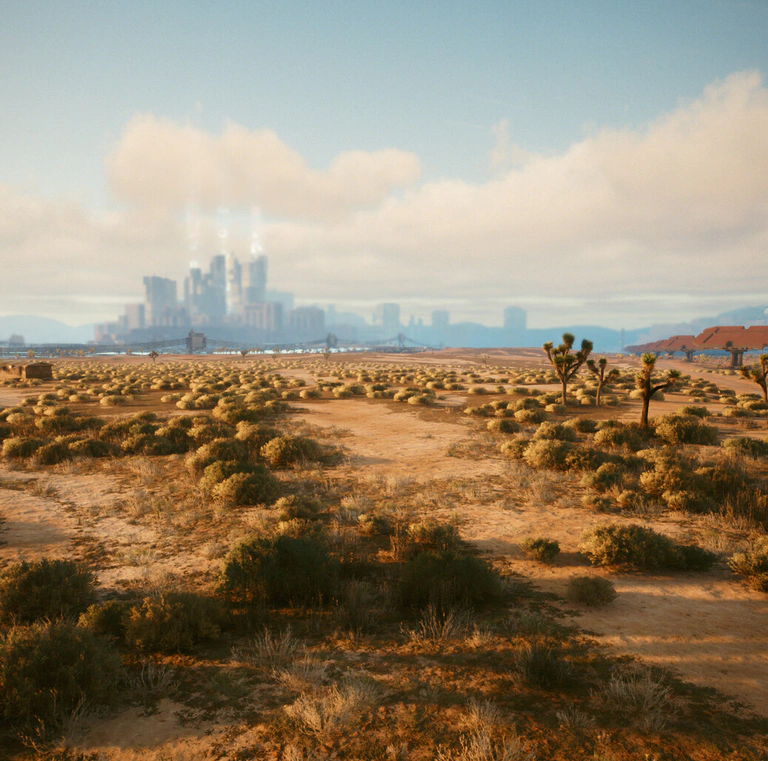
The Free City of Night City (NC) is an autonomous city-state found on the…
The Free City of Night City (NC) is an autonomous city-state found on the shores of Del Coronado Bay, located on the border between North and South California, on the Pacific Coast of North America. Established in 1993 by Richard Night and incorporated into the United States in 1994, Night City was originally known as Coronado City before its renaming in 1998. It is the main setting for the Cyberpunk franchise.
Night City is considered a modern multicultural metropolis of the 21st-century, overrun by corporations, corruption, organized crime and gang violence.
Night City has wide streets and dense urban skyscrapers which are home to millions of residents. By 2077, it operates as a city-state, officially owning the title of Free City, with the Arasaka Corporation keeping a heavy influence over it. The metropolis is considered a thrilling and exciting location to visit, as well as an interesting and vibrant place to live for those of means, and a hellscape to the city's disenfranchised. Its world famous slogan is "The City of Dreams," originally changed from "City on the Edge of Tomorrow."
Database Entry (2077)
The City of Dreams was founded in the 1990s by visionary industrialist Richard Night. When the world of late 20th century plunged into chaos, Night envisioned a modern metropolis free from crime, poverty and corruption. Corporate partners Arasaka, EBM, and Petrochem helped him realize this vision, investing in the foundation of what would become the Free City of Night City. The city would develop into a haven for young idealists and a beacon for others who sought to fulfill their own dreams. And although Richard fell to assassins and many new generations seeking fame, fortune and freedom have suffered their own series of setbacks, the city's legendary status endures today.
Night City has it all: from the monumental skyscrapers of industry-leading megacorporations, to the luxury villas of world-renowned stars, to the lawless neighborhoods where war is waged every day. You will stumble across mercenaries, gangs and famous rockers, but also junkies, bums and even cyberpsychos. You will stand in the shadows of colossal megabuildings and get lost in the maze of streets, alleys and markets. You will make your dreams come true or die trying.
Geography
Night City is located on the Pacific Coast of North America, in a region known as Del Coronado Bay area in Central California. Nearby major city travel ranges from 4 to 6 hours to San Francisco and Los Angeles, depending on road gang conditions and road quality.

After the rebuild stage, the city's location remained largely the same, with slight differences it the landscape around it. Night City is surrounded by the Badlands, which is mostly unpleasant, however due to the Biotechnica protein farms, the south side is considered not as bad as the eastern part of the surrounding region.
1990s Distribution
After buying out the terrains of Morro Bay and its surroundings — including areas of Los Osos as well — Richard Night begun the construction of his city by first rearranging the terrain. Keeping with Night's vision, Coronado City was originally divided into neighborhoods — each with a different architectural style and theme. Night hoped to bring in a vibrant multi-cultural population attracted to each neighborhood.

2010s - 2020s Distribution
With Richard Night's death, the then renamed Night City disintegrated into a hodgepodge of competing districts, savaged by gangs, and later controlled by domineering megacorporations. Besides the neighborhoods, the city was also surrounded by larger suburban areas known as North Oak, Westbrook, Heywood, Rancho Coronado and Pacifica, while the Central City bordered South Night City as well. The tallest hill in Central Night City was West Hill, with its peak occupied by a hotel.
In the original Cyberpunk 2020 TTRPG, the city was additionally ordered by Sections, being A through C Central Night City, D the violent crime-ridden hell known as the Combat Zone, and E through J the wider suburban areas.
Cyberpunk RED
- Central Night City Night City University), Upscale Brownstones (Old Downtown, West Hill) - Suburbs Westbrook - Pacific Ocean Del Coronado Bay, Morro Rock, San Morro Bay - Other Areas Badlands
Cyberpunk 2020
- Central Night City Section A East Marina (A6) - Section B New Harbor (B6) - Section C Charter Hill (C6) - Combat Zones Section D Combat Zone (D) - Suburbs Sections E-J Heywood (J) - Other Areas Del Coronado Bay, San Morro Bay

2030s - 2040s Distribution
Night City was devastated during the Fourth Corporate War. After the nuke, the majority of the population became homeless and the sky was red for decades — a period known as the Time of the Red. During the next decades, Night City was in the process of rebuilding. The old neighborhoods of the 2020 period had been rearranged, renamed, or even scraped off into the bay if they were too radioactive, while the original heart of the metropolis was still completely devastated.
The new districts were governed by their City Manager, who represented the interests of the area's major powers. In addition to the urban re-designation, each new area was given a "threat rating" by the City Council — a designation of how dangerous the neighborhood was.
At that time Night City residents mentally divided the city into four areas: The Island, Northside, Mainland, and Southside, with each area containing multiple districts. Some locals also referred to these areas based on the type of environment they were dominated by, with majority belonging to eighter the Overpacked Suburbs, the Rebuilding Urban Zones or the Combat Zones.
- The Island Upper Marina - Northside Kabuki, NorCal Military Base, Watson Development - Mainland Santo Domingo), New Westbrook - Southside Rancho Coronado - Del Coronado Bay Estero Bay, Morro Canal, Morro Rock, San Morro Bay - Other Areas Badlands, Open Road, Reclaimed Perimeter

2070s Distribution
After the Time of the Red and the Unification War, Night City was mostly rebuilt and had maintained its autonomy. By 2077, the city was overrun with crime, its rate doubling that of the NUSA. The homeless population had been a problem since the early 2000s, and in 2077 had risen by 300%. Each district was dominated by at least one powerful gang. The city was divided into six districts — each with their own environment and denizens — and 16 official sub-districts. The total size of the city was around 75.42 km².
- City Center Downtown The City Center is Night City's corporate showcase. Sleek skyscrapers form a brutalist, fortress-like skyline, presenting the unrivaled power of megacorps in all its arrogance. Since 2020, the City Center has become the most fortified and secure part of Night City. - Heywood The Glen, Vista del Rey, Wellsprings Heywood is a neighborhood of contrast—from modern skyscrapers and parks in the north, to dangerous, inhospitable slums in the south. It's known as "the biggest bedroom in Night City," where gangs like the Valentinos and 6th Street get down to business—legal and illegal alike. - Pacifica Coastview, Dogtown, West Wind Estate Pacifica could have been Night City's money-making vacation resort, but once the investment dried up it became a husk left to rot. Now, instead of tourists, the district is a Combat Zone overrun by gangs and violence, with the Voodoo Boys protecting the community forsaken by the NCPD. The walled-up Dogtown is ruled by Colonel Kurt Hansen and his BARGHEST militia. - Santo Domingo Rancho Coronado Santo Domingo is one of Night City's oldest districts. Corporations use it as a testing ground for industrial projects, destroying old factories just to build new ones, while residents scrape a desperate living in crowded megabuildings — wishing for something better. - Watson Northside Industrial District Watson used to have it all - nightclubs, skyscrapers, corporate offices, a top-end medcenter — but economic disaster put an end to all that. Now, it's known as "the bad neighborhood of Night City," the kind of place that suits gangs like Maelstrom and Tyger Claws down to the ground. - Westbrook North Oak Westbrook is considered by many to be the best place to live and have fun in Night City. If you've got eddies, you come here to spend them. And if you don't? Well, take out a loan and pretend you're on top of the world — even for just one glorious night. The Tyger Claws own this district and operate many businesses. - Badlands Eastern Wastelands, Laguna Bend Reservoir, Northern Oilfields, Southern Desert Sparsely populated by nomads, the Badlands are the vast plains outside of the city proper. Unchecked resource extraction, burning oil fields, rampant pollution; this region makes Night City feel like a rich oasis. But it holds golden opportunities for those in the know. - Del Coronado Bay Morro Rock This large bay borders the western limits of Night City, providing access to the Pacific Ocean. -

Climate
Night City's Northern Californian location gives it one of the most pleasant climates in the Western part of the NUSA. Normal temperatures range from the mid 80 °F to low 50 °F (26 °C to 10 °C), with misty white fog blanketing the City in the early mornings and evenings. Night City receives around 21 inches of rainfall each year. Of this water that drops, around 35% contains toxic chemicals which is higher than the current government standards for the United States produced vehicles, clothing, and food. On average, if a person's vehicle and clothing are rated above SP 12, adverse effects (staining and ablation) will be negligible.
When one visits Night City, they should wear light to medium weight clothing, with an optional light armor jacket or ballistic-cloth overcoat. A filter mask and supplemental oxygen, hedges against inversion smog and acid rain fog, are highly recommended as well. That being said, acid-proof slickers, umbrellas, and air masks are readily available from the sidewalk vendors or smaller street stores during smog warning periods. The average cost of these items can range from €$20 to €$35.
Business Sectors
The business sectors of Night City include manufacturing industries, international trade and commerce, information services, electronic technologies, security services, and so on. While cities like Tokyo, New York or Singapore have been overrun by corporations by the 2000s, Night City was the only city in the world that was built by the corporations. Some of the biggest megacorporations in the world contributed to the construction of the city and many were located in the Corporate Center in 2020. After the war, and the subsequent reconstruction of Night City, Corporate Plaza became a symbol of the megacorps' grasp on the city.
Corporations
Night City was founded through the efforts of a partnership of five major corporations, and as of 2077 it continues to serve as a haven for numerous global corporations due to its status as a free city and pro-corporate government policies such as a 0.7% tax rate on corporate profits. Night City's biggest ally is Arasaka, which provides employment for many citizens and ensures the city remains independent by backing it with its military strength. In 2077, the five best corporations to work with were considered to be Arasaka, Militech, Biotechnica, Kang Tao and Night Corp.
Coronado Partnership
Asukaga & Finch (formerly Merrill, Asukaga & Finch)
Euro Business Machines
Night Corp (formerly Night International)
Petrochem
Post-founding notable corporations
All Foods
Biotechnica
Continental Brands
Danger Gal
Diverse Media Systems
Dynalar Technologies
Hydrosubsidium
Kang Tao
Kendachi
Kiroshi
MoorE Technologies
Network 54
Orbital Air
Raven Microcybernetics
REO Meatwagon
Rocklin Augmentics
SovOil
Trauma Team
Tsunami
World News Service
Zetatech
Zhirafa
Ziggurat
Sports
By 2077, Night City has two notable sports franchises: the Night City Corsairs football team, and the Night City Blackouts basketball team. While the Corsairs recently achieved a notable victory against the San Diego Shredders due to their Night Corp sponsorship giving them access to cutting-edge cyberware designed specifically for the sport, the Blackouts are in the midst of a long losing streak.
• American Football
• NC Corsairs
• NC Nighthawks (disbanded)
• NC Rangers (defunct)
• Basketball
• NC Blackouts
• NC Heat
• Roller Derby
• Night City Wonderland League
• Miscellaneous
• NC Death Dealers - Combat-Soccer
• NC Nuke - Murderball
• NC Slammers - Baseball
Education
Higher education
• Night City University (2020, RED, 2077)
• Night City Technical College (2020)
• Night City Medical Center & School (2020)
• UFC Health Sciences Center (2020)
High Schools
• Richard Night High School (2020)
• G. Lucas High School (2020)
• South City High School (2020)
• Del Coronado High School (2020, RED)
• Rancho Coronado Public High School (2077)
Health
• City Medical Center (2020, RED)
• Crisis Medical Center (2020, RED)
• Night City Medical Center & School (2020)
• Night City Medical Center (2077)
• Trauma Team Tower (2020)
• Trauma Team Tower (RED)
• REO Meatwagon Offices (2020, RED)
• Medical Technologies Complex (2020)
• Medical Technologies (RED)
• Stuart Hospital (2020)
• Madre María Children's Hospital (2020)
• Plaza Medical Services (2020)
• The Clinic (2020)
• Uniform Group Health Building (2020)
• MacMillan Building (2020)
• UFC Health Sciences Center (2020)
Law Enforcement and Crime
Operating as an autonomous territory separate from the rest of the NUSA, Night City's borders are patrolled by Arasaka contractors. The Night City Police Department holds jurisdiction over domestic security, although the personal security detail of the mayor is handled by a team of handpicked corporate huscle (hired muscle). In 2077, there were two known prisons in the city area: Night City Prison and Los Padres Penitentiary.
Transportation
Night City hosts an extensive network of urban freeways and rapid transit networks. Getting from the city's various districts is seamless and effective except for in districts where the infrastructure has been damaged such as in Pacifica. Also, the spaceport is an aerospace center in Night City, allowing for space transportation. Private taxi companies like Delamain Corporation or Combat Cab offer their services as well.
Public Transportation
In 2020, NCART provided rapid maglev transportation around the city, while NCTC provided bus services and controlled mass transit traffic. Ameriline additionally offered bus services to and from the Metropolitan Airport and other cities across the United States.
Taxi Services
2020s
• Aerocab
• Combat Cabb
• ITA (Troubleshooter Cabs)
• Red Cab
2040s
• Aerocab
• Combat Cabb
• Red Cab
• Tyger Cab
2070s
• Combat Cab
• Delamain Corporation
Transcontinental Maglev
In 2020, Night City was part of the intercontinental Maglev Network that went from the West to the East Coast. It was abandoned during the Fourth Corporate War, but there were plans to revitalizing it by the late 2070s. At least another maglev line is shown in the Phantom Liberty Cinematic Trailer, which goes through Westbrook and Santo Domingo, then south to SoCal.
Airports/Spaceports
In 2020, the Night City Metropolitan Airport was the main airfield in NC. Since 2047, the NCX Spaceport has been operating on Morro Rock island, west of the NC's downtown.
Freeways
Around the 2020s, Night City connected to Highways 828 (which continued east to connect with I-5), 928, 126, and the Gibson Freeway loop. By 2077, Interstate 9 and Highway 101 were its main freeways, with the Night City Ringroad circling around its districts.
Railways
By 2077 there were at least two major cargo railway depots in Night City. One was a sizable cargo freight station in Santo Domingo, with a railway that extended eastward into North California. Another one was located in Watson, used mostly for the cargo container ships in the docks. This large depot connected with various railways across the Northside Industrial District. One went north outside of the city limits, while a few others went into each of the dock piers. Another one was headed into the Arasaka Waterfront, another south into the city, and finally, one railway disappeared into the hills to the east.
Development
Night City has gone through many changes since its creation in 1989. The city was initially made with a layout similar to San Francisco, but with the introduction of its suburbs - and later its renewed appearance in Cyberpunk RED and Cyberpunk 2077 - it has changed significantly. While the main RPG area of the game in Cyberpunk 2013 and Cyberpunk 2020 was Central Night City (mostly 2077's City Center and some areas of Heywood), during the development of both RED and 2077 it was decided to expand the city and incorporate its surroundings, and at the same time the city's geography was made to resemble that of the real Morro Bay.
During the development of the Edgerunners Guide to Night City sourcebook for Cyberpunk RED, in order to answer the difference of the city's layout between 2020-2045-2077, some changes were made following the rough guidance from a rework of the 2020 city map.
• I'll fill you in now; you won't be able to fit the NCART transit map over the old Night City Map because the 2077 map includes larger surrounding areas equivalent to Oakland, Berkeley, South San Francisco and San Jose. The Night City paper game maps are only of the Central City, the equivalent of San Francisco.
• In addition, during all the back and forth, we (RTG and CDPR) shifted and moved some locations so that players wouldn't have HUGE transit times between regions. This is described in Cyberpunk RED, where we talk about how the Bay and surrounds were moved and partially filled in (with radioactive mud!) to a level equivalent to three or four Treasure Islands (see San Francisco Bay maps for reference). We also made the mapping match up closer to the original Morro Bay location (in the interval between the 1980's and now, I took up the study of geology and now know more about how to shape and change land forms). So in both 2077 and RED, Night City is a compromise between what was in the past and what works in the present, both in game reality and game design. Especially as we figured no one wanted to spend 45 minutes in commute traffic between Watson and Pacifica.
Location
According to Mike Pondsmith and R. Talsorian Games, Night City occupies the same area as Morro Bay and Baywood-Los Osos, two towns located on the Californian central coast. But the geography has been heavily modified in the lore and it doesn't really resemble the real location anymore. See also: Morro Bay; Los Osos.
• Night City was created on the "bones" of Morro Bay, a town I often drove through on my various road trips. I liked the place and in one of those flights of fancy young designers have, I wondered what it would take to buy the whole thing. The basic structure is still there in the Night City map, if one allows for an impressive amount of fill required to build out the upper area around the "Rock." (this is not unthinkable--a large amount of downtown Seattle and San Francisco were both built on fill: image). I actually have a map that shows how the whole thing goes together geologically; one day I'll have to post it. And no, it's NOT in Coronado in southern Cali. I used to live in San Diego, and I know the difference. ;)
• I'm surprised that this is news; I wrote this out years ago and it's no secret. I picked the location because it matched the general terrain and geology I wanted, and was at a choke point on the Cali coast that would be perfect for the Free State. The names were generally picked out of a hat from all the places I've lived in California over the years--there's no real rhyme or reason there. Here's a reconstruction of what I was doing back then in 1980-something... image Yes, the Rock is to the very north of Night City in my original design. I just didn't point it out at the time. In my personal campaigns, it's been built into a fortress/arcology kind of like a mini Gibraltar. But your mileage may vary. However, remember that Night City is a heavily fictionalized locale and there's no reason that the end result has to look like Morro Bay. I've given CDPR plenty of room to mess with stuff as they see fit. So don't take this musing about a 30 year old decision too seriously, neh?
• I never expected this to be that interesting. Night City started out as a map of Morro Bay, where I used to drive thru on occasion. The City was on the tip of the isthmus. But I realized I needed more room for the City, so I filled in part of the real bay and then cut the isthmus apart in the south to allow a lower harbor, using San Francisco as a model. So Los Osos is where Rancho Cornonado and Heywood would be. Of course, the place has been heavily fictionalized since then so that it doesn't really match any real place in California any more.
• I've spent (with Patrick at CDPR's help) an unholy number of hours tracking the evolution of Night City from the real Moro Bay (actually Moro Bay and Los Osos), through the 2020 period, to the RED period to 2077. Geologic maps and everything. Most of this will (up to 2045) will be in the upcoming Cyberpunk RED Edition. That should help settle most of your questions.
Sources
Adapted from the original article, under CC BY-SA 3.0.